XP Explained: Going Beyond Scrum
A Glimpse into Extreme Programming
Perhaps you’ve dabbled a bit in Agile methodologies, let’s say Scrum, for instance, and enjoyed tangible results. You might be wondering what’s next. Which is the next frontier in your journey of mastering agile techniques? Let’s introduce our main character in this storyline; Extreme Programming (XP). XP operates as a superstructure to Agile; guiding its principles to new heights through practices like Test-Driven Development (TDD) and pair programming.
Understanding Extreme Programming (XP)
Imagine a power surge added to Agile, one that turbocharges it for more efficacy; that’s what Extreme Programming (XP) provides. A brainchild of Kent Beck, Extreme Programming burgeons and refines Agile principles, taking organisations a step ahead in their agile journey. The apprehension or misconception that XP is a radical devolution from traditional Agile frameworks, such as Scrum, is not accurate. It merely enhances these methodologies, making them even more effective.
Both Scrum and XP are sturdy stalwarts in the Agile pantheon. The difference lies in their approach. Scrum is essentially a project management approach, with less emphasis on the technical side, whereas XP plunges deeper into the realms of coding, providing a robust technical methodology to improve coding quality and foster team collaboration.
The Core XP Practices
XP defines a few key practices that affiliates claim refines Scrum and adds a layer of predictability and effectiveness to software development. Let’s explore these practices:
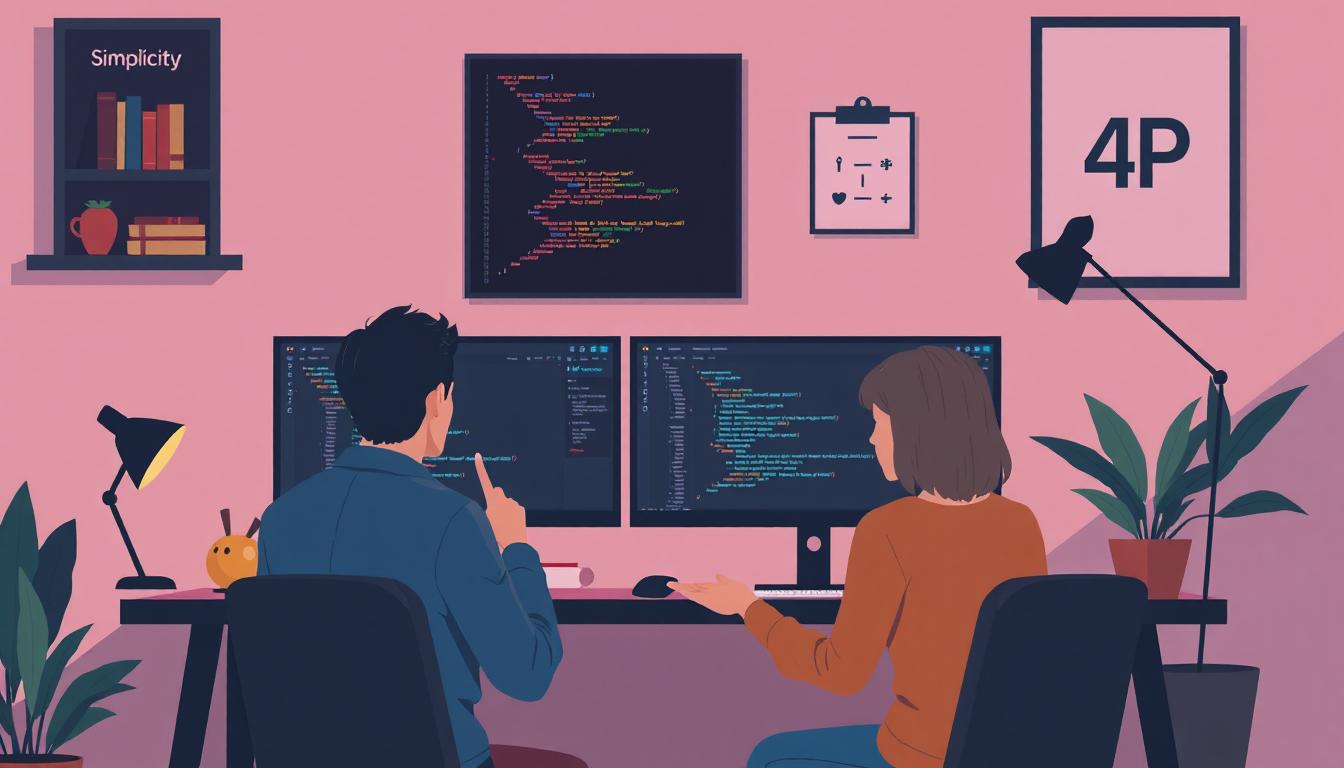
- Pair Programming: This technique is about collaboration. Two programmers work on one workstation. It’s a joint venture where one ‘writes’ code while the other ‘navigates’, continuously reviewing the code. They switch roles after a while for maximum effect. In essence, it’s about working together, propelling the ‘we before I’ philosophy, thus encouraging collective ownership and involvement.
- Test-Driven Development: Tests are written before the code is developed. The tests validate the written code; if the test fails the first time, we try to make it pass by refining the code. Hence, trust in the code is established from the get-go.
- Continuous Integration: Code changes are regularly integrated into a shared repository, which alleviates the pressure of integrating all changes at one go. This method discourages procrastination and encourages consistency and discipline.
How XP Complements Scrum
XP and Scrum share a symbiotic relationship rather than a competitive one. Both these frameworks feed off each other’s strengths and compensate for each other’s deficiencies. For instance, while Scrum leans heavily towards project management and cross-functional teams, the technical aspects take a back seat. That’s where XP steps in, bridging this gap with practices such as pair programming and test-driven development, thus giving Scrum the technical edge it needs. In essence, XP complements Scrum, making it more comprehensive and balanced.
Choosing Between Scrum and XP
Which one should you choose? Scrum or XP? Such a question poses a dilemma, akin to choosing between Batman and Superman. Can’t we root for both? Similarly, Scrum and XP are not mutually exclusive. Instead, they are complementary. While Scrum provides the project management framework, XP brings with it technical practices aimed at improving code quality. Many organizations often blend the two, incorporating XP’s practices into Scrum’s framework, which works like a charm.
Conclusion: When to Adopt XP?
Whipping up the perfect blend of Scrum and XP is a subjective matter – one that is majorly contingent upon the organization’s requirements, culture, and orientation. However, the rule of thumb suggests adopting XP when the organization has crossed the beginners’ threshold in Agile and is looking to improve code quality and team collaboration even more effectively.
The key lies in understanding that these are not fixed methodologies but adaptable methodologies, meant to be tweaked and tuned to meet an organization’s specific needs. After all, at the crux of it all lies the indomitable spirit of Agile – to be flexible, adaptable, and constantly improving. XP or Scrum are merely tools in this journey towards ultimate agility. So, go beyond Scrum, explore XP, and set sail on your agile voyage!