The Agile Facilitator: Mastering Meetings That Matter
Understanding the Agile Facilitator Role
Decoding the role of Agile Facilitator is crucial to comprehending the overall Agile process flow. Often underestimated, the Agile Facilitator does not lead but serves to guide, much in the same way that a coach or counselor does. In teams utilizing Agile methodologies, the Agile Facilitator is the guide through the dynamic landscape, providing direction and alignment to optimize efficiency.
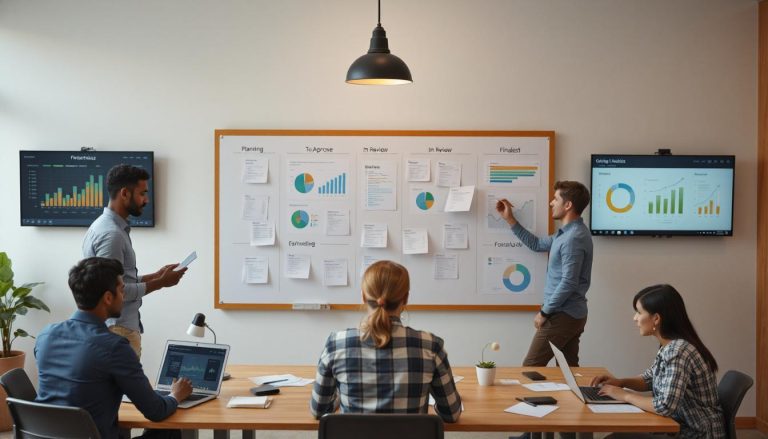
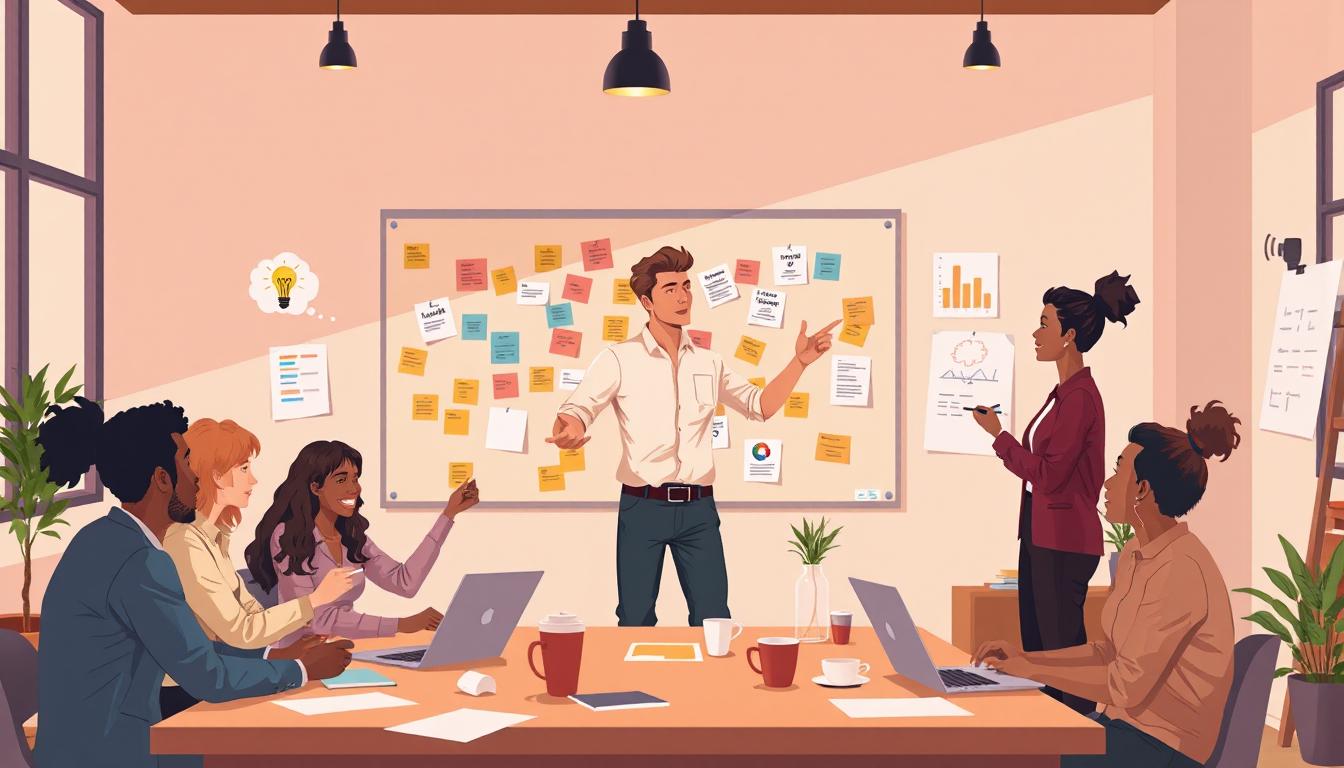
In Agile meetings, they are the unseen conductor orchestrating the run-time of stand-up meetings, planning sessions, and retrospectives. But it is more than just directing and navigating through an agenda – an Agile Facilitator needs to inspire participation and invoke discussions while maintaining a productive and healthy environment for the team.
Art of Facilitating Successful Agile Meetings
Facilitating productive Agile meetings is a skill mastered over time. A good Agile Facilitator actively promotes communication, identifies potential roadblocks, champions problem-solving, and ensures that the team stays focused on the task at hand. Here’s how to master the art of Agile meetings:
- Start with Clear Objectives: The first step is to ensure everyone is on the same page. Articulate the objectives of the meeting clearly and concisely so that every participant understands the desired outcomes.
- Ensure Participation: It’s essential to foster an environment where everyone feels comfortable expressing their thoughts and opinions. Encourage team members to participate actively, making sure all voices are heard, and ideas are valued.
- Manage Time Efficiently: Effective meetings are the product of smart time management. Strive to maintain a brisk, yet unhurried pace for discussions and decision-making without compromising on the quality of delivery.
- Provide Feedback and Follow Up: Always close meetings with a summary of the key decisions and action items. Make a habit of sharing meeting minutes and following up on actionable items to ensure transparency and accountability.
In the Trenches: Actionable Agile Meeting Strategies
Beyond the broad strokes of discussion, preparation, and time management, a proficient Agile Facilitator knows that efficiency and effectiveness stem from the details. Here, we delve into specific strategies that bring life to Agile meetings:
- Stand-Up Meetings: These are daily meetings where each team member reports their status and obstacles, usually held in the morning. Ensure these meetings are short, to-the-point, and action-oriented. Your role as an Agile Facilitator involves encouraging precise communication and fostering a sense of shared progress.
- Planning Sessions: Often, these are longer meetings used to establish sprint priorities and tasks. As a facilitator, break down larger tasks into manageable pieces, encourage team discussion for task estimates, and foster decision-making where the team agrees upon the work they commit to in the sprint.
- Retrospectives: This is a meeting to reflect on completed work and discuss what worked well and what needs improvement. The Agile Facilitator plays a crucial role in cultivating an open-minded atmosphere and prompting constructive feedback. The goal is to learn from past performance and adapt future practices for better results.
Mastering the Facilitation Skills
Amazing facilitation is an art, but it’s not a mysterious one. With consistent practice and an understanding of effective principles, you can transform your Agile meetings into energizing, outcome-focused sessions that your team will appreciate. These skills can be discovered, practiced, and honed:
- Active Listening: This means giving undivided attention to the speaker, understanding the context, and providing thoughtful responses. An effective facilitator knows the essence of the conversation lies not just in the words spoken, but also in the subtext, the body language, and the emotions attached.
- Effective Communication: Effective communication is critical. It’s about conveying your ideas clearly and succinctly, ensuring that everyone on the team comprehends the message. Above all, it’s about encouraging open, respectful, and engaging communication.
- Problem-Solving: Agile Facilitators need to be quick on their feet when it comes to problem-solving. They should have the ability to think outside the box, navigate through roadblocks, and facilitate the team to do the same, thus maintaining the momentum of the meeting.
- Time Management: It all comes down to this – arriving on time, starting on time, ending on time, and keeping everything in between on point. An effective facilitator knows how to manage time to maximize productivity and value for the team.
The Essence of Agile Facilitation
The role of an Agile Facilitator often goes unnoticed, but jest not, their influence subtly permeates every facet of Agile teamwork. From setting the tone of meetings to fostering collective decision-making, their facilitative leadership plays a pivotal role in guiding the Agile team’s journey towards success.
Remember, effective Agile Facilitation isn’t about “controlling” the meeting. It’s about supporting the growth and progress of the team while promoting inclusivity, efficiency, and transparency. By mastering these elements of facilitation, you can help your team stay focused, engaged, and productive. This results in meetings that are less of a chore and more of a stepping stone towards project success.
Reflection and Continuous Improvement
The journey of an Agile Facilitator is one of continuous learning and improvement. There will be successful meetings and, of course, the occasional not-so-successful ones. But each experience provides an opportunity to reflect, adapt, and improve.
As an Agile Facilitator, always keep your eyes, ears, and heart open to feedback and suggestions. Remember that growth emerges from moments of conflict, frustration, and learning, and that’s the true beauty of Agile. By embracing these elements with humility and tenacity, you’ll strengthen your capabilities as an Agile Facilitator, paving the way to more meaningful meeting experiences and stronger team synergy.