Mob Programming in Agile: Does It Work?
Understanding Mob Programming: The Essentials
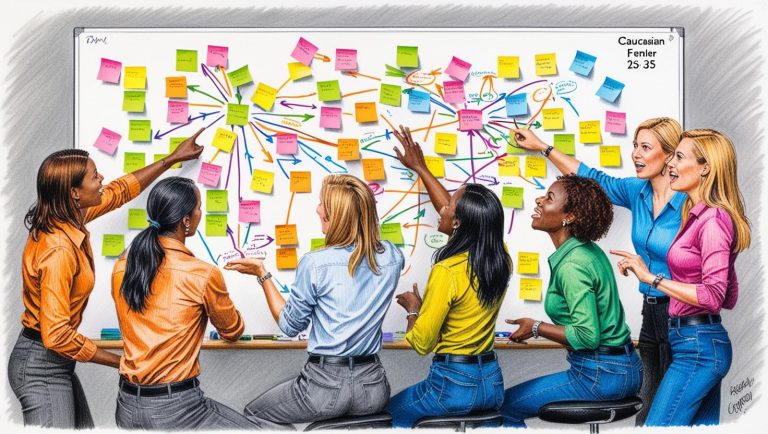
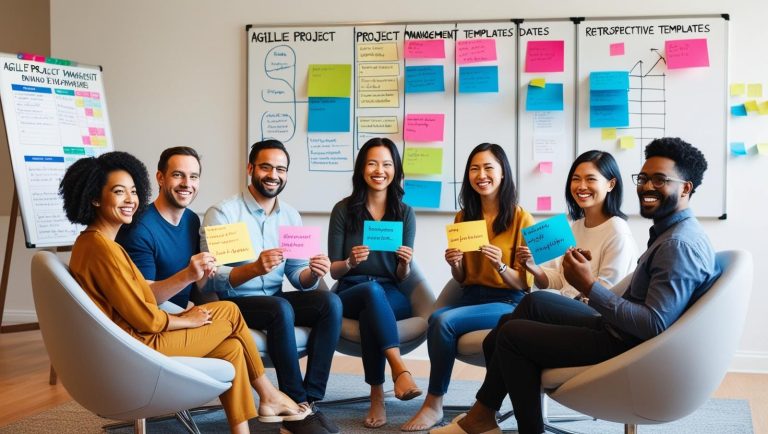
Imagine a group of developers huddled around the same screen, all eyes fixed on the code being written. If that scene seems almost chaotic, you’re not alone in that thought. But this is, in fact, a deliberate and structured methodology known as mob programming. Initially coined by Woody Zuill and his team, mob programming pushes the boundaries of collaborative software development far beyond traditional pair programming.
At its core, the entire team—developers, testers, UX designers, maybe even the product owner—work together, side by side, on the same problem and the same computer. While this can feel counterintuitive in a world where productivity is often measured in lines of independent code, the underlying philosophy bets on the power of collective intelligence. Every keystroke is visible, every decision shaped by the wisdom of the crowd.
What often surprises newcomers is the level of structure involved. There’s a rotating role system: typically one “driver” at the keyboard, implementing ideas suggested by the rest—the “navigators.” No lone rangers; every voice gets a turn. By empowering the team to focus on one task at a time, mob programming aims for elegant solutions and knowledge transfer in real time. But beyond the basics, how does this model stack up in the chaos and pace of Agile sprints?
Mob Programming and Agile: A Natural Alliance?
At first glance, mob programming seems almost at odds with Agile’s emphasis on individual empowerment and rapid iteration. In practice, however, the two approaches dovetail remarkably well. Agile, in essence, is about maximizing customer value, adaptability, and continuous improvement. Mob programming supports these outcomes through deep collaboration and immediate feedback.
When a team adopts mob programming within its Agile framework, a few key things happen:
- Shared Ownership: No one person “owns” a section of code—reducing siloes and bottlenecks.
- Transparency: All decisions are made in public view, in real time. There’s nowhere for sloppy design to hide.
- Adaptability: The whole team can pivot the moment a priority changes, simplifying the notorious mid-sprint reset.
Not unlike Agile ceremonies (sprints, stand-ups, retrospectives), mob programming introduces rhythms and rituals. Sessions usually have clear goals, timeboxes, and retrospectives for continuous learning. This builds a culture where experimentation and quick course-correction become the norm, not the exception.
What’s more, mob programming can surface hidden blockers and dependencies faster—since everyone’s input is immediate. In a way, it’s like having a mini sprint review every few hours, where the code gets assessed, discussed, and improved as a living document, not a relic awaiting QA.
Benefits of Mob Programming: Why Bother?
If you’ve ever groaned at a last-minute bug or spent ages wrangling merge conflicts, the appeal of mob programming will resonate. But its advantages extend well beyond defect reduction. Here’s what teams often discover:
-
Quality Skyrockets
With everyone watching—architects, junior devs, and QA alike—mistakes and bad patterns are caught instantly. The “wisdom of the mob” means code is stress-tested as it’s written. -
Accelerated Learning
Every participant, especially newer team members, absorb the project’s nuances at warp speed. Compare that to weeks or months of passive onboarding and you’ll appreciate the difference. -
Knowledge Distribution
Esoteric business logic and idiosyncratic system quirks don’t stay locked in one person’s brain. When the whole team is involved, you avoid single points of failure. -
Fewer Bottlenecks
No more waiting for code reviews, no getting stuck when an expert is on vacation. The bus factor—the risk of losing productivity if someone leaves—drops dramatically. -
Social Cohesion and Team Spirit
Working shoulder to shoulder, day after day, builds trust. Disagreements get hashed out quickly, and wins are celebrated together.
To illustrate, consider a team tackling a gnarly legacy system. In a traditional model, this might entail rounds of handoffs, code reviews, and a healthy dose of confusion. In the mob, solutions are debated and tested on the fly. Misunderstandings surface early. The process isn’t just faster—it’s richer, more resilient, and oddly fun when everyone gets in the flow.
Common Challenges and Misconceptions
While mob programming offers tantalizing upsides, it’s certainly not without hurdles. The most frequent concern boils down to a single question: “Isn’t this a waste of everyone’s time?” Let’s tackle some of the myths and real pitfalls:
-
Perception of Inefficiency
Watching six developers work on one task can look, from a distance, like a productivity meltdown. But teams often discover that avoiding rework, context switching, and communication miscues more than compensates. Consider how much time you usually spend interpreting vague requirements or refactoring misunderstood code—mob programming aims to slash those losses. -
Risk of Groupthink
When consensus is prized, dissent can get quashed. A strong facilitator or an agreed process for challenging ideas helps maintain creative tension. -
Fatigue and Burnout
Let’s face it: staring at a shared screen for hours can be mentally draining. Successful mobs set clear timeboxes, take frequent breaks, and swap roles (driver/navigator) often. -
Introverts Left Behind
The outspoken may dominate unless the mob makes space for quieter voices. Some teams use structured rounds or talking tokens to ensure everyone’s heard. -
Space and Logistics
It isn’t always practical to gather everyone physically, especially with remote or hybrid teams. Virtual mobs, using tools like screen sharing and collaborative editors, do the trick—though they come with their own quirks.
Truthfully, mob programming is a skill like any other. It takes a few attempts, a dose of humility, and a willingness to tweak the recipe. For some tasks—like exploratory prototyping—it works wonders. For others, especially long, heads-down solo research, it’s less practical.
When to Use Mob Programming (and When Not To)
Mob programming isn’t a silver bullet or a permanent fixture for every team or scenario. Context matters—a lot. So, how do you know when it’s the right tool for the job?
Ideal Situations:
- Complex new domains: When nobody is a subject matter expert yet, pooling brainstorming helps avoid early missteps.
- Onboarding: New joiners learn by osmosis; the mob gets fresh perspectives and questions.
- Knotty architectural work: Design decisions benefit from scrutiny and debate.
- Critical bug fixes: The team can swarm on the issue, tackling root causes—not just symptoms.
- Cultural reset: If a team’s been stuck in siloes or dogged by quality issues, mobbing can reignite collaboration.
Conversely, when does it fall flat?
- Routine, repetitive tasks (batch data entry, rote refactoring) don’t demand the entire team’s attention.
- Tasks requiring deep, uninterrupted focus (spikes, documentation) may flourish better solo or in pairs.
- Overly large teams can make sessions unwieldy—more than 6-7 people and voices get lost.
- Where cultural resistance is high—if trust isn’t there, forcing mobbing may worsen division.
A good rule of thumb? Start small. Pick a gnarly user story, a critical bug, or a feature where multiple disciplines overlap. Retrospect, tweak, and decide based on learning, not dogma.
Best Practices for Making Mob Programming Work
Dive into mobbing, and you’ll quickly spot that raw enthusiasm alone won’t guarantee results. Here’s what separates high-functioning mobs from the rest of the pack:
-
Set Clear Goals
A vague starting point (“let’s build a thing!”) rarely suffices. Define what the mob will accomplish within a timebox—be it solving a bug, finishing a feature, or hashing out an architecture. -
Rotate Roles Frequently
To prevent fatigue and boredom, rotate the driver/navigator roles every 10-15 minutes. Not only does this keep energy high, but it also ensures no one dominates or fades into the background. -
Facilitate Respectful Dialogue
Encourage disagreement. But keep debate productive—attack problems, not people. Sometimes this demands a facilitator (or Scrum Master) who can nudge quieter voices forward. -
Embrace the Retrospective
Regularly pause to reflect: what’s working, what’s wearing folks down, and what should change? Even a five-minute check-in can surface friction points before they fester. -
Invest in the Right Tools
For virtual mobs, robust video conferencing, shared whiteboards, and collaborative editors (think VS Code Live Share or Tuple) are non-negotiable. Don’t let lag or clunky screenshare chop up the flow. -
Prioritize Breaks and Balance
Mob sessions are intense. Break often. Maybe treat yourselves—coffee, a walk, bad puns. Burnout helps no one.
Ultimately, mobs thrive on trust, curiosity, and a willingness to try, fail, and adapt together. Teams who excel treat mobbing as a practice, not a rigid rulebook—one to be flexed in response to the story at hand.
Case Studies: How Real Teams Reap the Rewards
Still skeptical? Let’s look at a few hypothetical, yet realistic vignettes from teams who opted to “mob up.”
Case 1: The Onboarding Accelerator
A fintech startup, growing rapidly, saw itself stymied by slow onboarding. Critical know-how sat with just a few senior devs, while newbies struggled in the dark. The team tried a week of mob programming for all new joiners. By the end, every newcomer had contributed real code, and the team reported higher confidence and a big drop in “bus factor” risk.
Case 2: The Architecture Overhaul
An e-commerce company, bogged down by a sprawling monolith, needed a brave new architecture. Instead of a protracted design doc marathon, the team gathered for steadily-paced mob sessions, whiteboarding, debating, and coding proofs of concept in tight loops. The resulting microservices were better documented, more resilient, and—most importantly—owned collectively.
Case 3: Remote Collaboration Lifeline
During a pandemic, a distributed team struggled to keep camaraderie and alignment alive. Swapping out isolated Zoom calls for daily virtual mobbing, using collaborative IDEs, the team rebuilt not just features, but also their sense of culture and belonging. “It almost felt like being in the same room again,” one developer noted.
These stories underscore that mob programming, if wielded thoughtfully, isn’t about typing faster. Instead, it’s about harnessing many minds to build, learn, and evolve together—often in delightful, unexpected ways.
Looking Forward: Is Mob Programming Right for You?
To sum up, mob programming isn’t a magic fix, nor is it a productivity sinkhole. Like most Agile practices, its power lies in radical transparency, adaptability, and a willingness to experiment. Want to boost code quality? Slash onboarding time? Break down siloes and share expertise? Then it’s worth a shot, and not simply because it’s novel.
What’s critical is to introduce mob programming thoughtfully:
- Start with a pilot—maybe a thorny user story or an upcoming release-critical bug.
- Set expectations: this is a learning experiment, not a permanent overhaul.
- Prioritize psychological safety—respectful debate is invaluable, but so is trust.
- Iterate as you go; what works for another team might not suit yours.
In a field as complex and ever-shifting as software development, sometimes the best results come from slowing down, gathering round, and thinking together. Maybe mob programming isn’t for every day, or every project. But in certain moments, it might just transform your team’s trajectory—one keystroke, one laugh, and one eureka moment at a time.