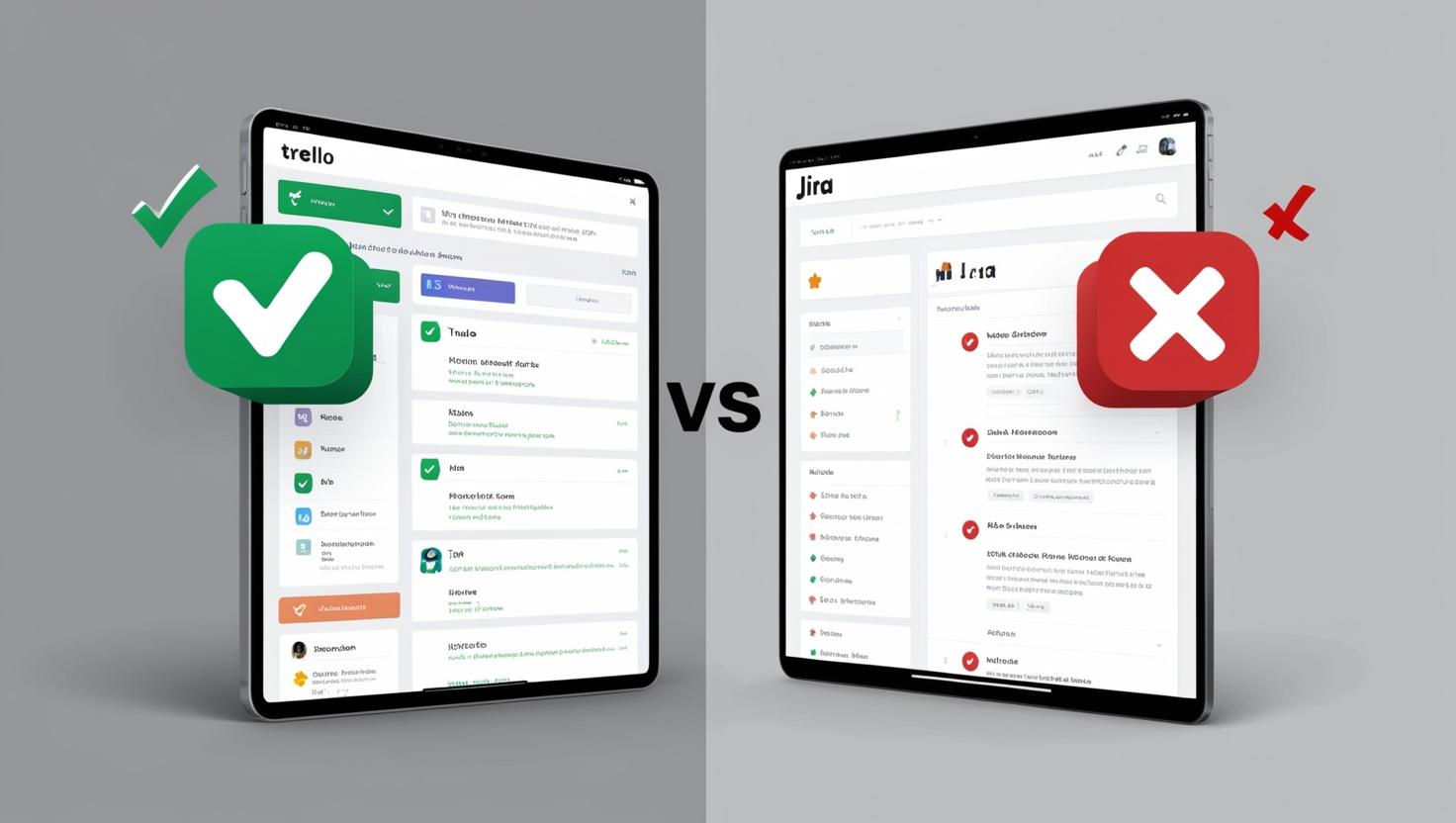
Trello vs Jira: Tool Showdown
A Head-to-Head Comparison: Trello vs Jira
Deciding between Trello and Jira can be a complex scenario. The decision can easily sway in one direction or the other based on a number of aspects including, but not limited to, useability, scalability, and the range of features offered. The efficiency of a small team or the overall productivity of a massive enterprise could hinge critically on this essential decision. This comparison sets out to dissect both these popular Agile tools and aid you in understanding which software will seamlessly blend with your existing workflow processes. Let’s take a deeper look.
Understanding Trello and Jira
Before diving into their differences, a basic understanding of each tool is essential. Trello, an accessible visual tool employs the Kanban system of project management. On the other hand, Jira is a robust tool that explores a wide array of avenues in project management, including but not limited to SCRUM, Kanban and Mixed methodologies.
Comparison Based on Useability
Trello: Trello maintains a reputation for its intuitive interface and ease of usage. Its board-based approach and simple navigation provide a straightforward yet visually appealing work environment. The ongoing tasks are represented by cards which can be assigned, tracked and commented upon—a characteristic that makes it a preferred choice among small to mid-sized teams.
Jira: Jira, in contrast is an advanced tool, offering abundant features at the cost of complexity. Although it can handle large-scale projects seamlessly, its interface might not seem as simple or inviting as Trello’s. However, once acclimated, the users can effectively utilize Jira’s extensive features. It requires a steeper learning curve, making it popular among large corporations and development teams.
Analyzing Differentiating Features
Trello: Trello adopts a streamlined approach with boards, lists, and cards as the key components. Its Power-Up feature extends the tool’s capabilities by integrating with applications like Slack, Google Drive, and GitHub. Trello’s checklists and due dates are an easy way to manage tasks and deadlines. One thing to note, though, is that Trello lacks advanced reporting and project tracking systems.
Jira: Feature-wise, Jira outshines Trello. It offers various types of reports, advanced tracking systems, and custom workflows. Its capability to handle bugs and issues efficiently is impressive. Users can customize their dashboards to have a preferred view of their projects. Jira’s strength in managing software development projects comes from the fact it offers features like developer tool integrations, agile reporting, and custom filters.
Scalability Discussions
The scope for scalability is another decisive factor in choosing the right Agile tool. This aspect is especially crucial for rapidly growing organizations.
Trello: Trello’s simplicity serves as both a boon and bane. While it is a snap to incorporate within smaller teams or for personal task management, when it comes to complex, large-scale projects, Trello tends to falter. Its framework does not have the necessary sophistication to handle detailed planning or high complexity.
Jira: Unlike Trello, Jira is built to handle the complexity and offers ample capacity for scalability. It caters to enterprises with evolving needs and changing project dynamics. This makes Jira an excellent pick for teams that have growth on their horizon.
Which Tool Wins the Showdown?
The Trello vs Jira debate doesn’t have a universally correct answer—it all depends on your team’s specific needs, project complexity, and growth prospects. For a small team, exigent for simplicity, ease of use, but with minimal feature requirements, Trello could prove to be a wonderful choice. If you’re managing more complex projects, and have a scope for team expansion, Jira might be the superior option due to its extensive features and scalability.
Remember, the perfect tool isn’t the one with the most features, but the one that fits well into YOUR workflow. Choose wisely—your team’s productivity and success might hinge on this decision. Happy hunting!