Agile in Charity Work: Maximizing Impact
The Emergence of Agile Methods in Charity Work
In a world where non-profit organizations must stretch their resources while tackling ever-growing societal challenges, the traditional ways of managing projects are quickly fading. Charities once relied on lengthy annual plans, rigid roles, and cumbersome approval chains. However, a fresh wind is blowing Agile, originally born in the world of software development, is making its mark, invigorating the charity sector with the promise of speed, adaptability, and, most importantly, impact.
Unlike the slow and linear project management methods of the past, Agile thrives on adaptability. This philosophy embraces uncertainty an ever-present companion in the nonprofit world and champions incremental progress. For charities, this means responding to real-time community needs, capitalizing on volunteers’ skills, and adjusting course as circumstances shift. Suddenly, fundraising campaigns can pivot midstream if a platform underperforms, donation drives can double down where enthusiasm surges, and grassroots programs can be reshaped without grinding everything to a halt.
It is not just about doing more with less; it is about working smarter, harnessing servant leadership, and putting beneficiaries’ voices at the heart of each project. Motivated teams, clear priorities, and tangible results form the backbone of this new era. Let’s dive into the power of Agile principles and how they create value and momentum for social impact initiatives.
Decoding Agile: What Does it Mean for Nonprofits?
Throw around the term “Agile” and people might picture sticky notes, techies in sneakers, or urgent sprints toward an elusive deadline. But cut through the jargon, and Agile, at its core, is about responding confidently to change while keeping the end beneficiary in focus. So, how does this translate for the unique rhythms and missions of charities?
- Iterative Progress: Instead of betting everything on a ‘big bang’ launch, charities can roll out projects in smaller cycles. This way, they learn faster and can listen to feedback on the fly.
- Collaboration over Hierarchy: Agile asks teams to break down silos and value every voice from the grassroots volunteer to the board member. No one is too junior to spark an idea or raise a concern.
- Transparency & Ownership: Visible boards (digital or on the wall) make work and bottlenecks public. People see how their slice fits the bigger pie, fueling motivation and accountability.
- Value-Focused Delivery: By prioritizing what delivers real impact, teams quit wasting energy on low-value tasks or vanity metrics, focusing every effort on what helps their communities most.
Even for organizations with limited tech skills or resources, Agile does not demand expensive tools. A simple grid on a whiteboard, a few index cards, and honest conversations can start the transformation. It’s less about methods and more a mindset shift a cultural reset for both leadership and the frontline.
Kanban: Mapping Flow, Tackling Bottlenecks
When a community food drive faces endless to-dos, and volunteers wait for marching orders, chaos is only a step away. Enter Kanban, a visual approach to work that brings order to the mayhem. Born on auto factory floors but just as useful in outreach offices, Kanban revolves around seeing the flow of tasks what’s planned, what’s underway, and what’s stalled.
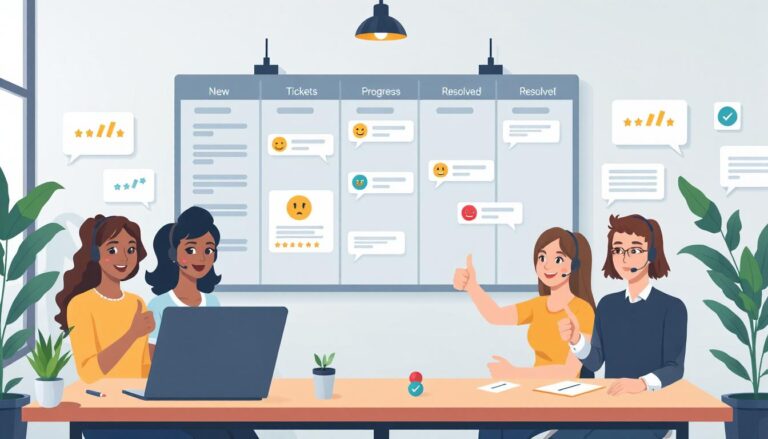
At its simplest, a Kanban board sets out three columns: To Do, In Progress, and Done. Volunteers or staff move cards (representing tasks) from one column to the next as work advances. The magic? Roadblocks leap out visually. If “In Progress” gets overcrowded, it’s instantly clear the team is bogged down, prompting a huddle to redistribute effort or resolve issues.
- See the Big Picture: Everyone involved full-time or part-time knows what’s going on and where help is needed, which prevents duplication and unintentional missed steps.
- Balance the Load: Rather than piling everything on a handful of people, Kanban helps assign tasks based on capacity and skills. It also respects the ebb and flow of volunteer availability.
- Encourage Communication: By flagging blocked tasks, teams converse early, solving snarls before they become crises. It also creates a sense of shared responsibility everyone has a stake in moving cards forward.
For fundraising campaigns, Kanban might map tasks like securing permits, drafting emails, or designing flyers, allowing nonprofits to react quickly if one piece gets stuck. Community outreach efforts say, distributing winter coats can follow each donation from receipt to warehouse to delivery right on the board.
Ultimately, Kanban demystifies the work, making the invisible visible and aligning the team toward a common, impact-driven goal.
Leveraging Sprints: Fast Feedback, Higher Impact
While Kanban excels at visualizing continuous flow, some charity projects shout for more urgency. Imagine launching a holiday meal program in just four weeks, or overhauling a website ahead of a Giving Tuesday push. Here’s where the “sprint” comes in a time-boxed burst of focused work targeting a specific outcome.
The sprint, borrowed from the Scrum flavor of Agile, is like setting up a series of mini-deadlines within a larger effort. Instead of marathon projects that fizzle out, the team commits to deliver something tangible at the end of a short period (typically two to four weeks). What’s the payoff?
- Clarity from the Start: Teams pick a manageable set of tasks for each sprint, making goals bite-sized and doable. The work becomes less intimidating, the vision clearer, and morale noticeably higher.
- Regular Check-ins: Quick daily huddles (stand-ups) keep everyone synced and obstacles surfaced early. Instead of painstaking weekly reports, updates become a living, breathing part of the workflow.
- Learning by Doing: At the end of each sprint, the team reflects: What worked? What needs to change? This constant cycle of review and improvement lets charities fine-tune both their methods and their message based on real outcomes, not assumptions.
- Celebrating Wins: Delivering a working prototype say, a new online donation page at each sprint’s end creates moments to celebrate, learn, and thank the people who made it happen.
For volunteer teams, this pace keeps engagement high and reduces burnout there’s always a light at the end of the tunnel, and each contribution is seen and valued. Meanwhile, when projects wobble, mid-sprint pivots are possible, cutting losses fast.
Reimagining Fundraising: Flexible Campaigns that Work
Charitable fundraising is never static. What worked last year might flop this season: social media algorithms shift, donors tire of old pitches, or emergencies alter priorities overnight. Agile approaches, with their built-in adaptability, are a perfect match for this fluid landscape.
Picture a major fundraising event: Traditionally, months of planning might lead up to a single gala night, with no room for error. With Agile, charities plan in shorter cycles, using regular check-ins to monitor ticket sales and donor engagement. Kanban boards track cold calls, sponsorship asks, and table confirmations, keeping the whole machine running smoothly.
- Early Data Drives Change: If an email campaign gets low open rates, the team can quickly hatchet or tweak the message rather than waiting for an end-of-campaign post-mortem.
- Volunteer Talents Are Unleashed: Sprints invite people to form ‘tiger teams’ maybe someone with video skills can create a donor thank-you reel mid-campaign, rather than months later.
- Donor Feedback is a Compass: By regularly soliciting feedback via short surveys, social media polls, or conversations fundraisers can adjust themes, messaging, or even event formats to match what supporters want.
- Celebrate, Learn, Repeat: Even if a fundraising target is missed, Agile retrospectives tease out lessons that are rolled into the next campaign, fueling ongoing improvement.
Agile charities thus treat fundraising not as a high-stress, one-shot bet, but as a series of creative experiments, each cycle sharpening their ability to attract and delight supporters.
Streamlining Volunteer Coordination with Agile Practices
Volunteers are the backbone of many nonprofits, yet marshaling dozens (or hundreds) of people with diverse skills, schedules, and motivations can seem daunting. Agile frameworks cut through the noise, making it easier to recruit, onboard, and empower people, whether they show up every week or only on special occasions.
Start with the basics. A Kanban board physical for on-site teams, or digital for remote volunteers lists every task, big and small. Volunteers pick what suits their interest and availability, fueling autonomy and satisfaction. No more waiting for top-down assignments or chasing lost email threads.
- Skill-Based Assignment: Skills and interests are matched to needs in real time. A retired accountant might tackle budgeting one week and train peers the next.
- Visible Progress: Volunteers see their impact instantly cards moving to ‘Done’ become a public testament to their contribution. Recognition becomes natural and continuous.
- Agile Onboarding: Mini-sprints are ideal for orientation newcomers shadow veterans, learning the ropes on brief, achievable projects. This shortens the time-to-contribution and strengthens bonds.
- Open Feedback Loops: Regular review sessions invite volunteer input: What could be more efficient? What did they enjoy? The result: seamless adaptation and a sense of ownership across the team.
These practices not only build loyalty, but attract fresh faces through word of mouth. People flock to nonprofits where their time is well-used and their suggestions are heard. In this way, charities cultivate vibrant, self-improving communities, while freeing staff to focus on strategic growth.
Piloting Agile for Community Projects
Beyond internal operations, Agile shines when deployed in the wild on the frontline of community projects. Take, for example, a group working on neighborhood greening. Instead of a 12-month plan, the team might break the work into monthly sprints: in one cycle, surveying residents; next, organizing a tree-planting day; then, adjusting approaches based on turnout or plant survival rates.
This real-world application is powerful:
- Respond Instantly: When public feedback reveals preferences (maybe families want more benches, not just trees), teams can switch gears, reallocating resources to where they’ll matter most.
- Empower Local Champions: Community members lead sprints, taking ownership for discrete deliverables and learning leadership along the way.
- Share Learnings Broadly: At the end of each cycle, insights what worked, what flopped are shared, both to sustain momentum and spark replication in neighboring communities.
- Measure Impact as You Go: Instead of guessing at long-term outcomes, teams track results in real-time how many saplings survived, how many residents participated. This fuels continuous improvement.
Importantly, Agile opens the door to experimentation. Projects need not be perfect from day one. Teams try, adjust, seek input, and try again embracing progress over perfection, focused always on maximizing social good.
Overcoming Challenges and Cultivating an Agile Culture
Of course, the road to agility is not without bumps. Skepticism may arise some worry it’s just a trendy buzzword, or fear that old habits will die hard. Others may struggle with the “let’s try and see” ethos, wanting more certainty before forging ahead. But over time, the advantages tend to win out.
Addressing obstacles means:
- Providing Gentle Training: Short, interactive workshops (not lengthy lectures) to demystify core Agile ideas focus on “why” before diving into “how.”
- Starting Small: Pick one project or team to pilot Agile practices, gathering stories and results to build credibility before wider roll-out.
- Celebrating Incremental Wins: Publicly share successes however modest at team meetings, in newsletters, or on social media. Positivity drives adoption.
- Embracing Flexibility: It’s okay to blend Agile principles with existing culture. Rigidity is the enemy; adaptation is the goal.
- Leadership Buy-In: Senior leaders should model transparency, encourage questions, and recognize teams who try new approaches even if everything doesn’t go smoothly the first time.
Over time, charity staff and volunteers begin to see drastic reductions in busy-work, more confident decision-making, and higher overall energy. When people feel trusted, empowered, and heard, innovation becomes a natural byproduct.
The Ripple Effect: Broadening Agile Impact Across the Sector
As Agile methods take root, their benefits tend to spill over. Charities find themselves collaborating more effectively with external partners grant-makers, civic groups, local authorities simply because their own processes are clearer and more transparent. Reporting becomes more honest, highlighting both wins and lessons learned instead of just shiny surface metrics.
Furthermore, success stories breed innovation across the sector. One foodbank’s experience with Kanban might spark a shelter organization in another city to try sprints for volunteer recruitment. Funders, seeing better results for each dollar, begin encouraging more Agile pilots, and networks of practitioners emerge to swap resources and advice.
- Agile expands beyond single projects into a way of thinking leaders question their own assumptions, welcome experiments, and encourage resilience in the face of setbacks.
- The beneficiaries themselves have a stronger voice, shaping services as active partners, not passive recipients.
- Ultimately, entire communities reap the rewards, as nimble, empowered nonprofits deliver better and faster results in a complex world.
The real promise of Agile in charity is not just better projects, but an ongoing cultural transformation a shift from rigid bureaucracy to joyful, sustainable, values-driven social action.
Conclusion: The Future of Charity is Agile
Nonprofits have always been defined by their heart. With Agile, they can now match passion and purpose with radical effectiveness, allowing good intentions to translate into tangible, measurable impact. Whether tackling fundraising, volunteer coordination, or grassroots community change, Agile makes it possible to learn, adapt, and maximize results no matter how turbulent the world becomes.
The journey is not about chasing the latest management fad, but about unleashing the best in people and giving them the tools, freedom, and encouragement to serve. In this way, charities not only survive the challenges of the future, but shape it leaning into uncertainty, learning as they go, and always putting community needs above all else.