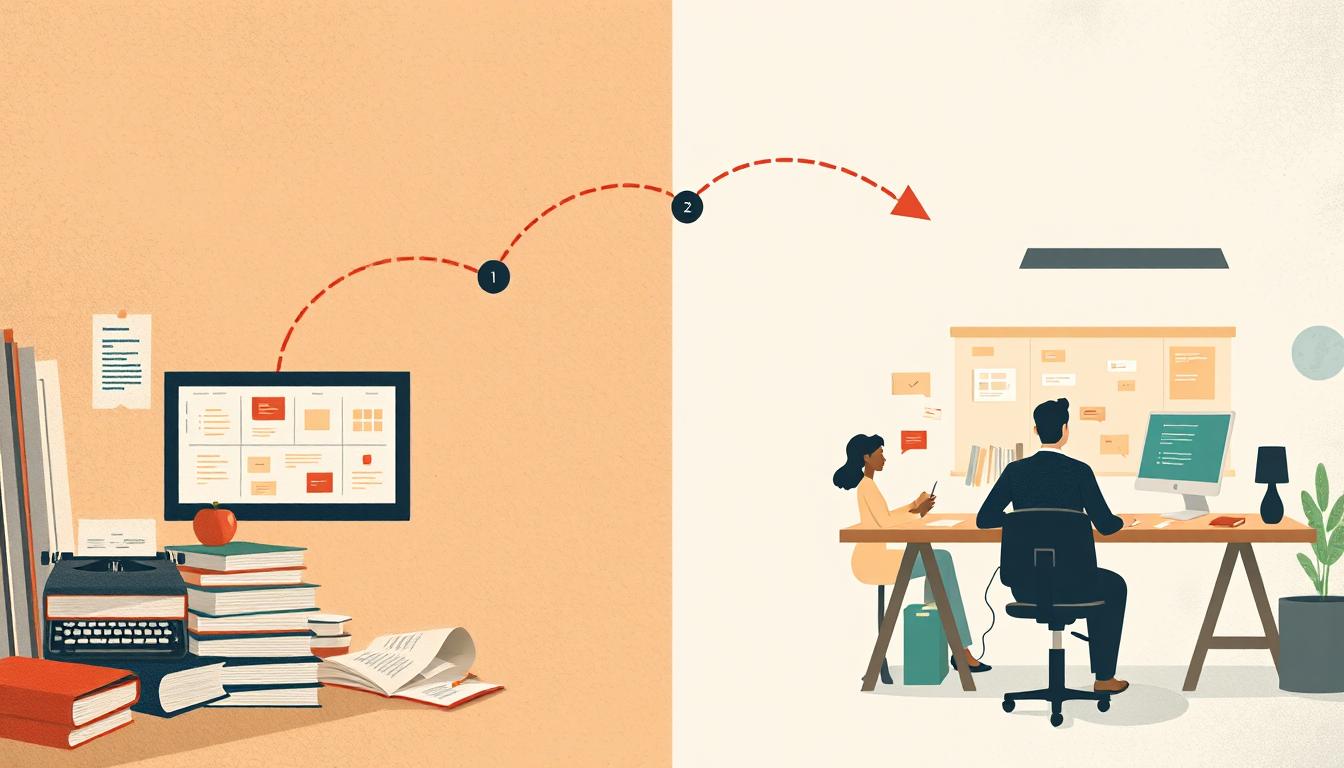
Agile in Publishing: Managing Editorial Workflows
The Evolution of Publishing: Traditional Struggles Meet Agile Solutions
For centuries, the world of publishing moved at the pace of ink and paper. Editors and writers huddled over manuscripts, corralling the unpredictable forces of creativity and deadlines. Managing schedules, coordinating teams, handling reviews, and steering projects from idea to print always felt like spinning plates; miss a beat and the process wobbles dangerously. Tight publication cycles, shifting priorities, and last-minute content changes all conspired to make editorial coordination a complex dance.
Fast-forward to today’s digital landscape, and the fundamental challenges remain yet the need for speed and adaptability has never been greater. Publishers, whether working on books, magazines, or digital articles, are now expected to deliver content rapidly, often across multiple platforms. One late step can ripple across schedules, causing missed print windows or delayed digital launches. With audience attention spans shortening and competition intensifying, timeliness is not just a goal but a necessity.
This is where Agile, a philosophy first forged on the battlefield of software development, enters with an appealing promise: bring transparency, flexibility, and dynamism to editorial workflows. By embracing Agile frameworks like Kanban and Scrum, publishers now have methods that let them respond in real time to shifting priorities, last-minute edits, or sudden opportunities delivering quality content on schedule without sacrificing creative integrity.
Why Agile Makes Sense for Editorial Teams
While the touch of a skilled editor remains irreplaceable, the processes underpinning editorial production are ripe for streamlining. The days of lengthy email chains, unclear priorities, and bottlenecks where manuscripts pile up on an overworked editor’s desk are numbered. Agile, at its core, asks: How can we get from idea to audience faster, with fewer hiccups along the way?
- Customer Focus: Just as in software, Agile for publishing centers on delivering what readers want timely, relevant, and high-quality content.
- Reacting to Change: Markets move quickly. News breaks, trends shift, and editors must often pivot accordingly. Agile provides the mechanism to redirect resources or reprioritize tasks midstream without derailing entire projects.
- Transparency and Communication: By making work visible and keeping all contributors in the conversation, Agile prevents the siloed efforts and last-minute scrambles common in traditional editorial workflows.
- Smaller Releases, Big Impact: Instead of waiting for quarterly or monthly issues to aggregate and launch content, Agile supports more frequent, bite-sized publications helping publishers stay top-of-mind and responsive.
Editorial teams that blend creativity with Agile methodology gain a competitive edge. It’s not about imposing rigid rules but evolving long-standing practices for today’s realities. A weekly planning session, quick feedback loops, and real-time progress tracking can be the difference between an article landing while it’s still fresh or arriving too late to matter.
Kanban Boards: Visualizing Work and Banishing Bottlenecks
At the heart of the Agile approach in publishing is the Kanban board a simple but powerful visual tool for tracking work from inception through to completion. Imagine a large board divided into columns: “To Do,” “In Progress,” “Under Review,” and “Ready for Print” (or whatever steps suit your editorial process).
Each article, graphic, or post becomes a card that travels along these stages. The team instantly sees who’s working on what, spots where work is stuck, and can adjust without lengthy status updates. Kanban is particularly effective in continuous publishing environments like online news rooms, blogs, or magazines, where the workload is constant and priorities shift rapidly.
Benefits Kanban Brings to Publishing:
- Enhanced Visibility: Everyone, from freelance writers to senior editors, sees the status of each item at a glance. Forget the days of unknown manuscript backlogs buried in someone’s inbox.
- Identifying Roadblocks: If a review column starts overflowing, it’s clear the editorial team or legal checkers need backup. Kanban boards make these choke points visible so resources can be redirected before deadlines slip.
- Flexible Prioritization: Need to move a breaking news piece to the top? Just shift its card. Kanban empowers the team to dynamically reprioritize and everyone instantly sees the impact.
- Continuous Improvement: Patterns emerge: perhaps rewrites slow things down, or photo sourcing is a chronic delay. Teams can reflect regularly and tweak their process, reducing friction over time.
Some teams use physical boards with sticky notes; others opt for digital tools like Trello, Asana, or Jira. The format matters less than the discipline of keeping the board updated and using its insights to inform daily decisions.
Sprints and Scrum: Timeboxing Work for Predictable Releases
While Kanban is fluid and continuous, many editorial teams find a structured rhythm helps keep larger projects on track. This is where the Scrum framework shines, with its concept of “sprints.” A sprint is a set period say, two weeks during which the team commits to finishing a certain bundle of work, from feature articles to complex covers.
Picture the traditional newsroom rush before print deadline except now, the rush is organized and replicable. At the start of each sprint, the team convenes to select which articles, layouts, or posts they will complete in the next period. Daily stand-up meetings maintain focus, and at the end, a sprint review brings everyone together to assess what went well and what needs to improve.
How Scrum Sprints Benefit Editorial Workflows:
- Predictability: By planning a fixed set of deliverables for each sprint, teams gain a cadence readers and advertisers can count on regular releases, reducing last-minute chaos.
- Clear Ownership: Every team member knows their commitments; ambiguous to-do lists are replaced by clear assignments and accountability.
- Focused Improvements: The sprint retrospective, held every few weeks, provides a safe space to air frustrations and brainstorm better ways to handle rewrites, fact-checking, or resource allocation.
- Faster Feedback: Editors and writers don’t wait weeks to see their stories advance; feedback cycles speed up, leading to higher morale and better content.
Especially for special editions, investigative reports, or large book projects, the mix of timeboxed sprints and regular reviews helps ensure that tight deadlines are met without burning out the team or sacrificing editorial standards.
Case Study: Agile in Action at a Modern Magazine
Let’s dip into a real-world example. Imagine a monthly lifestyle magazine struggling with bottlenecks. Articles languished in draft form, images arrived late, and the team constantly scrambled as print deadlines loomed. Enter Agile, stage left.
The editor-in-chief introduced a Kanban board to track every article, photo, and advertisement. Each item got its own card, moving from “Assigned” through “In Progress,” “Ready for Editing,” “Design,” and “Final Proof.” Daily stand-ups replaced endless status emails. Suddenly, that essay everyone forgot about was glaringly visible in the “Design” column and got the attention it needed.
But visualization wasn’t enough. The team then adopted two-week sprints. Each planning meeting, editors, writers, and designers agreed on a reasonable batch of stories and layouts to complete no more piling on work at the last minute. After each sprint, they held a short retro to discuss what slowed them down: Was it late copy? Or maybe photo approvals dragged on? These meetings led to process tweaks, clearer deadlines for images, and more realistic expectations.
Within three months, missed print deadlines became a thing of the past. Stories launched faster online; team morale lifted. Agile wasn’t a magic wand, but it reigned in chaos, making the complex machine of magazine production run with the precision of a well-oiled press.
Navigating Common Challenges: Adaptation, Buy-in, and Consistency
Switching to Agile is not always a seamless journey. Teams, especially those steeped in traditional publishing rhythms, may initially bristle at new rituals or fear that processes will replace creativity. Skepticism abounds: Will daily meetings eat up time? Does tracking everything kill spontaneity?
The answer lies in adaptation. Agile should fit the organization not the other way around. Editorial leaders can ease the transition by clearly explaining why they’re changing things up (“less chaos, more creativity, and fewer late nights”), and customizing the process to fit their unique needs. For some, that means weekly check-ins rather than daily; for others, only tracking complex pieces and letting shorter articles flow more freely.
Tips for Smoothing the Agile Transition:
- Start Small: Pilot Agile with one team or a single publication before scaling up. Showcasing early wins helps sway skeptics.
- Empower Champions: Find editors or writers eager for change and enlist them as advocates who can guide and encourage colleagues.
- Celebrate Quick Wins: When a stubborn bottleneck is resolved or an early deadline is hit, call it out in meetings. Sustained enthusiasm comes from evidence that Agile is working.
- Flex the Process: Don’t become dogmatic; tweak boards, meeting cadences, or sprint lengths as needed. The ultimate goal is better publications, not perfect adherence to an outside framework.
- Keep Creativity Central: Remind everyone: process exists to clear away the clutter not to stifle great stories or bold designs. Agile unburdens the creative people, letting them focus on what matters most.
Over time, the rituals become second nature, and the discipline of updating boards or timeboxing work fades into the background replaced by pride in a department that delivers, every single deadline.
The New Agile-Driven Editorial Workflow: Step by Step
Let’s map out how a typical editorial workflow morphs when powered by Agile principles and tools. While no two publishing houses are identical, the following steps outline a structure where chaos gives way to control without sacrificing invention or joy.
- Intake and Prioritization:
Story ideas, pitches, and assignments are collected in a shared backlog. Editors, perhaps during a weekly planning session, review the backlog and select the highest-priority content for the coming cycle.
- Kanban/Scrum Implementation:
All chosen stories get added to a Kanban board or a sprint backlog. Cards are created for articles, design tasks, and even legal/review steps, each assigned to an owner with a clear due date.
- Daily Check-ins:
Team members gather briefly to discuss what they’re working on, what’s blocking their progress, and where they need help. This ten-minute ritual prevents small hiccups from becoming big problems.
- Progress Tracking and Reprioritization:
Editors regularly adjust priorities as news breaks, delays crop up, or new content is greenlit. Scrum teams might rearrange their sprint backlog; Kanban users may shift cards to reflect urgent needs.
- Collaborative Review and Edit:
Pieces move through drafting, peer editing, fact-checking, and design, with team members updating the board at each step. Blocked cards get extra focus, keeping everything moving.
- Sprint Reviews and Retrospectives:
At the end of each cycle, teams assemble to showcase finished work, solicit feedback from stakeholders, and brainstorm improvements to the process.
- Release and Celebrate:
Publish the issue, post, or story and take a moment to recognize team achievements. Positive feedback, both internal and external, motivates teams to keep refining their process.
The result? Editorial operations that are both structured and agile, capable of responding nimbly to daily realities while steadily producing exceptional content.
The Future of Publishing: Agile as the New Editorial Backbone
As digital transformation accelerates, publishing’s dependence on dated, rigid hierarchies is fading. Agile, with its blend of transparency, flexibility, and team empowerment, positions publishers to thrive amidst perpetual change. Tomorrow’s standout content producers will be those who combine editorial acumen with workflow mastery delivering not just articles, but experiences tailored to reader needs and marketplace realities.
Imagine an editorial department where weekly traffic surges are met with real-time content pivots. Where social trends or news breaks feed directly into team planning, resulting in timely features that drive engagement. Where writers and designers, freed from hidden bottlenecks, focus more energy on creativity and less on tracking down overdue feedback or missing images.
Already, publishers around the globe are expanding Agile’s reach into content marketing, event planning, and multimedia production. What was once a strictly developer tool kit now forms the backbone of creative organizations striving for both relevance and reliability. In the end, Agile in publishing isn’t a radical break from tradition it’s a clever extension, packing centuries of storytelling expertise into a format that moves at digital speed.
So whether you’re producing your first zine or steering a global media empire, the message is clear: embrace Agile, and let your editorial team run at the pace of today’s conversation swift, purposeful, and always ready for what comes next.