Agile for Event Planning: Nailing Deadlines
“`html
Understanding Agile in the Context of Event Planning
Event planning is a complex choreography of details, logistics, and changing client expectations. Traditionally, many planners relied on linear timelines and fixed checklists to manage multiple moving parts. However, as the landscape of events—from corporate summits to elaborate weddings—grows more dynamic and fast-paced, a more flexible, iterative method is needed. This is where Agile, a methodology born in the software development realm, proves transformative.
At its core, Agile emphasizes adaptability, collaboration, incremental progress, and regular feedback. Instead of executing a project in one straight shot, Agile segments tasks into manageable cycles—often called sprints—where work is completed, reviewed, and improved upon in short bursts. By using feedback loops, teams can quickly adjust to changes, whether it’s a last-minute guest increase or an unexpected venue hiccup.
For event planning, this means no more panicking over unforeseen changes or racing against the clock to fix mistakes in the eleventh hour. Agile’s iterative process acts like a safety net—catching issues early, engaging stakeholders regularly, and ensuring progress remains visible and aligned with expectations.
Incorporating Agile into event management doesn’t just help teams meet deadlines; it creates a culture of continuous improvement, accountability, and shared ownership of success. Let’s explore exactly how these principles translate into real-world event execution.
The Building Blocks of Agile for Event Planners
Before diving into application, it’s crucial to grasp the key elements that underpin Agile, tailored for the unique demands of event planning. The following cornerstones form the foundation of a successful Agile approach in this field:
- Sprints: Time-boxed phases, often ranging from one to four weeks, where specific deliverables (like securing caterers or finalizing décor) are tackled and completed.
- Backlogs: Dynamic lists of tasks, requirements, and ideas. These are continuously prioritized based on urgency, impact, or client input.
- Feedback Loops: Frequent check-ins—whether through stand-up meetings or rapid client reviews—to understand what’s working and what needs tweaking.
- Cross-Functional Teams: Groups composed of diverse skills, from logistics coordinators to design experts, collaborating seamlessly during each sprint.
- Retrospectives: Honest reviews after each sprint or event, discussing what went well, what didn’t, and how to improve for next time.
These tools are not just jargon—they equip event planners with a structured, yet flexible, blueprint for turning ambitious visions into meticulously executed realities. Each piece interlocks, reducing chaos and increasing transparency, making the winding path to event day much smoother for everyone involved.
Designing Sprints: From Vision to Checklist
The heart of Agile event planning lies in breaking the big picture down into bite-sized, manageable pieces. Sprints serve as the mechanism for this. Rather than tackling an entire event all at once, tasks are grouped into phases—each with its clear focus and timeline.
For example, a wedding planner might structure their sprints as follows:
- Sprint 1: Venue and Vendors – Secure the site, book catering, lock in entertainment.
- Sprint 2: Invitations and Marketing – Design, mail, and confirm RSVPs; update event websites.
- Sprint 3: Décor and Logistics – Finalize theme, select florals, plan guest seating.
- Sprint 4: Final Touches and Rehearsals – Conduct run-throughs, prepare emergency kits, check final details.
Each sprint operates like a focused mission. By zeroing in on what’s urgent and achievable within a short window, planners reduce overwhelm and ensure consistent progress. At the end of every sprint, there’s a pause to review outcomes—often with client involvement—before moving forward. This systematic cadence keeps the whole operation nimble.
Not every event will require the same number of sprints or the same sequence. Agile excels precisely because it’s not a one-size-fits-all solution; it adapts to your team’s strengths, the complexity of the event, and even the surprises that inevitably crop up along the way.
Embracing Feedback Loops: Staying in Sync and On Target
One of the standout benefits of Agile is its emphasis on feedback—early, frequent, and constructive. In event planning, constant changes and evolving expectations are the norm rather than the exception. The feedback loop ensures no detail slips through the cracks.
How do these feedback loops look in action? Imagine running weekly check-ins with the client, where planners present completed tasks, preview upcoming priorities, and gather quick reactions. If the guest of honor suddenly wants to swap the menu for gluten-free options midway through planning, the team can course-correct immediately—avoiding a scramble just before the event.
Within internal teams, daily briefings (sometimes called “stand-ups”) keep everyone aware of potential roadblocks, successes, or dependencies. Discussions are short yet impactful—each member shares what they’ve finished, what they’re working on, and where they need support.
- Encourages open communication and shared responsibility
- Reduces miscommunications between vendor, planner, and client
- Allows issues to surface early and get addressed before escalating
The upshot? Fewer surprises, clearer communication, and a higher quality experience for both planners and attendees.
Managing Risk and Uncertainty with Agile Adaptability
If there’s a universal truth in event planning, it’s that something will go awry—whether it’s an unexpected downpour, a no-show speaker, or an eleventh-hour design change requested by the client. Traditionally, these emergencies trigger panic. Agile, however, turns risk management into an ongoing, proactive process.
Because Agile works in short cycles, planners are constantly scanning for risk and adjusting plans right away. This “fail fast, fix fast” attitude mitigates escalation. For example, if a shipment of centerpieces is delayed, the issue will surface at the end of a sprint, not a few days before the event. The team can brainstorm alternative décor with time to spare.
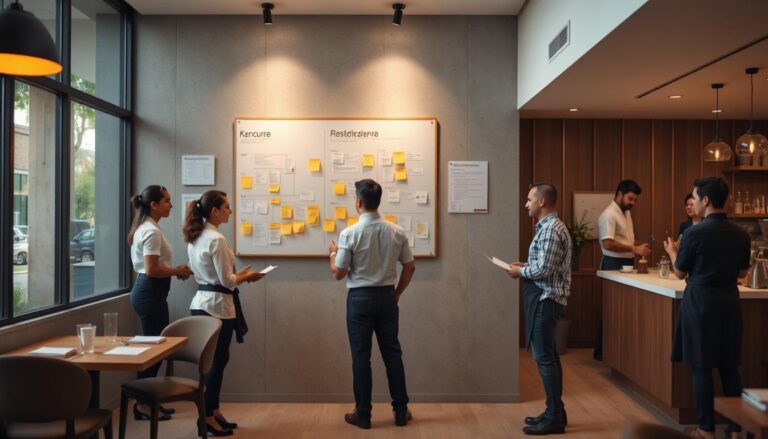
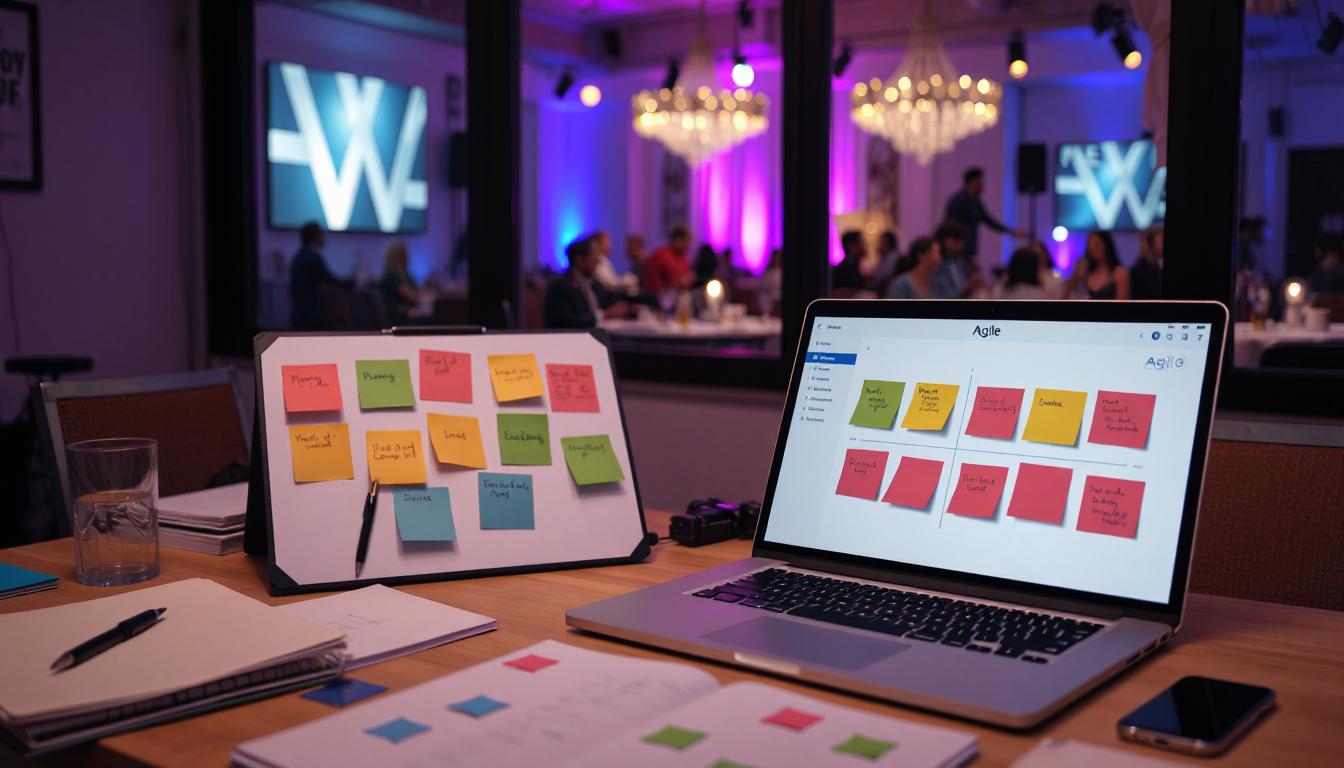
To manage uncertainty, Agile teams often use visual tools such as kanban boards or digital task trackers. These display real-time progress, bottlenecks, and remaining workload. If someone on staff becomes unavailable, tasks can be redistributed swiftly without derailing the entire timeline.
- Quick redirects in response to changing circumstances
- Early detection of supply chain or personnel hiccups
- Maintains momentum despite unforeseen changes
In short, Agile doesn’t eliminate uncertainty, but it makes teams resilient. Flexibility becomes part of the DNA, not just a reaction to bad luck.
Real-World Examples: Agile Success in Action
Hearing about Agile concepts is one thing—seeing them in action brings the approach to life. Here are a few real-world scenarios where Agile transformed the outcome of high-stakes events.
- International Tech Symposium: The planning team broke down the 1,200-attendee event into six sprints, coordinating sponsors, exhibition booths, speakers, and logistics in parallel rather than sequentially. Regular feedback from exhibitors allowed for real-time adaptation of booth layouts in response to shifting needs. The event met its deadline flawlessly, with attendee satisfaction at an all-time high.
- Nonprofit Fundraiser Gala: Facing frequent changes in guest lists and last-minute donor requests, planners used daily stand-ups with key vendors. They maintained a living backlog of tasks—when a major donor needed special AV equipment, it was reprioritized instantly, averting a potential crisis.
- Intimate Wedding: When inclement weather threatened an outdoor ceremony, regular sprint reviews meant contingency plans were already in place. The team shifted to a seamless indoor option without missing a beat, impressing the bridal party and ensuring everything stayed on schedule.
What unites these stories is how Agile’s principles empowered teams to embrace change, communicate openly, and still hit every milestone—even when the unpredictable struck.
Practical Steps for Weaving Agile into Your Event Planning Workflow
Interested in giving Agile a spin, but don’t know where to start? Transitioning to Agile doesn’t require an overnight overhaul. It’s about layering in new behaviors and tools, incrementally. Here’s how you can begin making Agile work for your team, whether you handle small social events or large-scale conferences:
- Introduce the Concept: Gather your event team and explain Agile’s key elements using real event-based examples. Address their reservations and highlight the potential benefits.
- Build Your Initial Backlog: List every foreseeable task, idea, and requirement for an upcoming event. Don’t stress about perfect organization—just get everything captured.
- Plan Your First Sprint: Collaboratively choose the highest priority tasks to be completed in a short, fixed window (like two weeks). Assign responsibilities based on strengths and availability.
- Meet Regularly: Hold brief check-in meetings (daily or every few days) to discuss progress, swap updates, and quickly resolve issues.
- Review and Reflect: After the sprint, bring the team together—what went well, and what could be better next time? Update processes and strategies based on these insights.
- Iterate and Expand: Adjust future sprints using what you’ve learned, slowly adopting more Agile elements as your team becomes comfortable.
The transition might feel awkward at first—just like breaking in new shoes. But over time, you’ll find events become smoother, stress is reduced, and your capacity for handling last-minute changes soars.
Measuring the Impact: Keeping Events On Time and On Budget
Let’s face it—deadlines and budgets in event planning are non-negotiable. One missed cue or ballooning cost can send reputation and client satisfaction plummeting. Luckily, Agile doesn’t just bring order; it brings clarity into whether you’re truly tracking toward your goals.
Concrete metrics help you evaluate Agile’s effectiveness. Consider tracking:
- On-time Task Completion: Percentage of sprint tasks finished by the agreed deadline.
- Budget Variance: The difference between anticipated versus actual expenditures after each sprint.
- Stakeholder Satisfaction: Gather regular feedback from clients and vendors to see if expectations are being met or exceeded.
- Issue Resolution Speed: Measure how fast the team responds to new risks or changes discovered during feedback loops.
Reflecting on these numbers after each event isn’t about finger-pointing. Instead, it’s about learning—identifying strengths and addressing blind spots. Over several projects, you’ll likely see timelines become tighter, surprises dwindle, and client testimonials improve.
Conclusion: The Agile Advantage for Modern Event Planning
Incorporating Agile into event planning reframes the entire process—from a daunting high-wire act to a disciplined, collaborative journey. The beauty of Agile lies in its adaptability: no two events play out exactly the same, but with the right rhythm of sprints, feedback, and real-time adjustments, teams are always prepared for the unexpected.
Instead of rigidly sticking to a plan set in stone months ago, Agile empowers planners to navigate uncertainty with confidence, transparency, and teamwork. Whether you’re orchestrating a complex conference or a cozy celebration, Agile ensures no detail is left to chance, every stakeholder is heard, and deadlines are not just met, but conquered.
As the events industry continues to demand speed, creativity, and razor-sharp execution, those who run their projects with Agile not only survive—they excel. So, next time you’re staring down a tangled timeline or a budget with little margin for error, remember: a sprint (and a feedback loop) can be your best ally.
“`