Agile in Construction: Managing Complex Builds
Understanding the Complexity of Construction Projects
When you stroll past a bustling construction site, it’s easy to see the obvious: towering cranes, busy crews, and an ever-evolving landscape of materials and machinery. But what often goes unnoticed is the remarkable orchestration happening behind the scenes. Large construction projects are intricate webs of planning, coordination, and adaptation. They demand careful alignment of multiple trades—think plumbing, electrical, carpentry—with strict regulations, fluctuating material costs, and, of course, shifting client demands.
Unexpected variables can pop up at every turn (think surprise weather events, supplier issues, or last-minute design tweaks), making traditional linear planning methods risky. Historically, builders have relied on waterfall methodologies: detailed upfront planning, sequential phases, and minimal scope for change. But in modern construction, such rigidity often leads to costly overruns, delays, and frustrated stakeholders. The industry is ripe for a more flexible approach—one that responds to change, leverages ongoing feedback, and manages complexity through continual adaptation. Enter Agile.
Agile methods, originally honed in the fast-moving world of software, are now crossing into construction. These approaches offer new ways to tackle uncertainty and reduce risk, making them particularly well-suited for managing the multifaceted nature of today’s ambitious building projects.
The Fundamentals of Agile: Beyond Software
Agile isn’t just a buzzword or a set of tools—it’s more of a guiding philosophy. At its core, Agile prioritizes individuals and collaboration over rigid processes and tools; delivers value in small, usable increments; and embraces change, even late in a project. Feedback is not just welcome, it’s vital. Rather than marching lockstep through a project plan, Agile teams regularly regroup, reassess, and adjust.
Though originally developed for software, Agile’s principles are strikingly applicable to construction. After all, both fields deal with complex systems, shifting requirements, and high stakes. Here’s what Agile usually looks like in a typical context:
- Iterative development: Work is broken into small, manageable segments.
- Regular feedback loops: Continuous input from all stakeholders keeps the product on track and relevant.
- Adaptive planning: Plans are living documents, evolving with new information rather than set in stone.
- Collaboration and alignment: Teams work closely together, breaking down silos and fostering transparency.
Applying these ideals to construction can encourage faster decision-making, earlier detection of issues, and lower risk of late-stage surprises. But it requires rethinking how teams organize, communicate, and deliver work.
Tailoring Agile for the Construction Industry
Let’s face it—some aspects of construction simply can’t be run like a tech startup building an app. Pouring concrete or hanging drywall has inherent dependencies and sequences. Still, there’s room for Agile thinking in many facets of a build. The key is to adapt, not adopt wholesale.
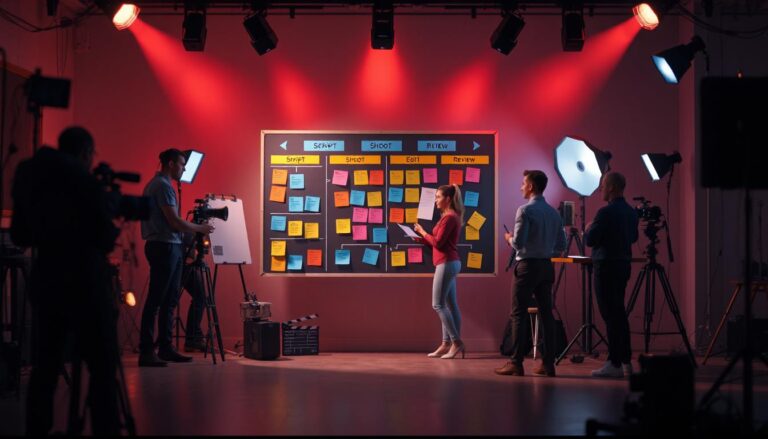
Adapting Agile to construction starts with breaking projects into manageable components or “work packages.” Instead of sticking with one monolithic plan, teams tackle discrete parts—perhaps the building envelope, interior fit-outs, or mechanical systems—in short, time-boxed cycles known as “sprints.” Each sprint culminates in visible progress, which stakeholders can review and provide input on.
Critical to this process are regular meetings, often called “stand-ups,” where teams review what’s been accomplished, what’s next, and any obstacles.
- Shorter feedback cycles: Early and frequent reviews minimize the risk of rework.
- Prioritized backlogs: Work is organized by business value and urgency, not arbitrary schedules.
- Collaborative review: Engineers, architects, project managers, and clients gather to jointly assess progress and make timely decisions.
Additionally, Agile construction draws from Lean principles: minimizing waste, optimizing workflows, and focusing on value. This might mean refining how materials are staged on site or streamlining communication between office and field staff. In short, Agile is tailored to fit the unique rhythms of construction while respecting its realities.
Managing Schedules, Budgets, and Scope with Iterative Planning
Construction projects are notorious for delays and cost overruns. The root cause? Surprises—be it scope creep, incomplete designs, or unexpected field conditions. Agile’s iterative planning offers a solution. Instead of pinning everything on a master schedule decided months (or even years) in advance, Agile methods encourage setting short-term milestones and revisiting the plan frequently.
Picture a large hospital build: rather than finalizing every room layout up front, the core structure is addressed first. As parts of the building come to life, design decisions for interiors can be adjusted based on up-to-date requirements or stakeholder feedback. This staged approach allows teams to course-correct quickly and avoid investing in work that no longer aligns with client needs.
Budgeting benefits as well. Iterative planning surfaces cost issues earlier, allowing for corrective action before financial risks escalate. Budgets can be reassessed at the end of every sprint, ensuring that expended resources deliver maximum value.
- Dynamic risk management: By tackling high-risk items first and inviting regular review, teams reduce the likelihood of disastrous surprises.
- Transparency in progress: Frequent deliverables provide tangible evidence of progress (or lack thereof).
- Stakeholder engagement: Clients and end-users see and influence the product earlier, improving satisfaction and reducing costly changes late in the project.
This iterative process isn’t without challenges, but when executed with discipline and buy-in from all parties, it leads to better outcomes—on time, on budget, and closely aligned with expectations.
Real-World Implementation: Agile Applied to Construction Projects
The move toward Agile within construction isn’t just theoretical. More and more projects worldwide have successfully piloted and scaled Agile techniques. Consider the case of a university campus expansion in North America: using Agile principles, the general contractor split the project into “mini-projects” (student housing, lecture halls, landscaping). Each had its own short-term targets and review cycles.
By conducting daily stand-ups, engaging stakeholders in routine demo sessions, and embracing a culture of open, honest communication, the project not only hit its milestones but also navigated design shifts prompted by changing academic requirements and city regulations. The overall effect? Fewer delays, improved morale, and a more adaptive, cohesive delivery team.
Other real-world examples include:
- Office towers: Developers leverage short iterations to test and implement energy-saving features, making adjustments based on immediate results as construction progresses.
- Infrastructure projects: Teams use Agile to coordinate complex utilities works, aligning diverse subcontractors and authorities in short work cycles for checkpoints and issue resolution.
These cases illustrate the fact that Agile isn’t a “bolt-on” process. Rather, it represents an embedded, organization-wide change in mindset. Success hinges on leadership support, willingness to experiment, and a readiness to empower teams at all levels to participate in continuous improvement.
Overcoming Challenges and Common Misconceptions
Despite its benefits, bringing Agile into construction faces resistance and some legitimate hurdles. For one, construction has long thrived on predictability and detailed planning—qualities that seem at odds with Agile’s iterative, flexible nature. There’s a misconception that Agile means “no planning” or that it only suits tech industries. Neither is accurate.
In practice, Agile in construction stands for disciplined, transparent, and adaptive planning. It doesn’t erase blueprints or Gantt charts; instead, it adds a crucial layer of frequent review and adjustment. Another challenge is culture. Traditional hierarchies and siloed teams can make the full participation required for Agile tough. Getting buy-in means addressing deeply-rooted habits and incentives.
- Education and training: Teams need support to understand the value and mechanics of Agile, including how to run sprints, stand-ups, and retrospectives.
- Leadership involvement: Leaders must set the tone, model open communication, and back meaningful change—not just pay lip service.
- Clear definition of roles: Establishing clear roles for “product owners,” “scrum masters,” and others ensures accountability and clarity.
None of these transitions happen overnight. Often, hybrid approaches combining Agile with robust construction management practices deliver the best results. By starting small—say, with select project phases or pilot teams—firms can prove Agile’s worth and steadily build a culture of flexibility and responsiveness.
The Future of Construction: Scaling Agile and Embracing Continuous Improvement
As the construction industry hurtles toward more complex challenges—urbanization, sustainability demands, and rapid technological change—those who embrace adaptive methods stand to lead the way. Agile isn’t a panacea but represents a powerful response to these dynamics.
Leading construction firms now integrate Agile principles not just at the project management level but throughout the value chain: from design and estimating to procurement and field operations. Digital tools (like collaborative software and cloud-based project dashboards) further support real-time planning, reporting, and coordination.
Looking ahead, the real promise of Agile in construction lies in its ability to transform entire organizations. By championing continuous improvement and placing a premium on learning—not just delivery—teams build in resilience and adaptability. Close collaboration between architects, engineers, builders, and owners ensures that every voice is heard, and every lesson learned is swiftly acted upon.
- Invest in training: Upskilling staff at all levels creates a shared language and champions for change.
- Start with pilot projects: Demonstrate value before rolling out Agile across broader operations.
- Iterate on the Agile process itself: Encourage teams to regularly reflect and improve their own workflows, not just the project outcomes.
As Agile matures within construction, the focus shifts from managing risk through rigid control to actively seeking improvement and seizing opportunities. The era of incremental, responsive, and genuinely collaborative construction has arrived—a welcome shift for everyone invested in building the spaces of tomorrow.
Conclusion: Building Better with Agile
In an industry as complex and high-value as construction, where missteps can cost millions and reputations hinge on deadlines, there’s simply no room for complacency. Agile offers a roadmap for navigating uncertainty, breaking down silos, and delivering greater value. By embracing iterative planning, fostering feedback, and championing teamwork across the entire project life cycle, construction professionals can manage complexity, delight clients, and future-proof their organizations.
The journey to Agile won’t always be smooth, nor is it one-size-fits-all. Yet, for those willing to adapt, experiment, and learn, Agile holds the promise of not only managing complex builds but transforming what it means to “get the job done.” The road ahead demands it—and the tools are now within reach.