Real Case: Transitioning from Waterfall to Agile
Introduction: The Age of Agility
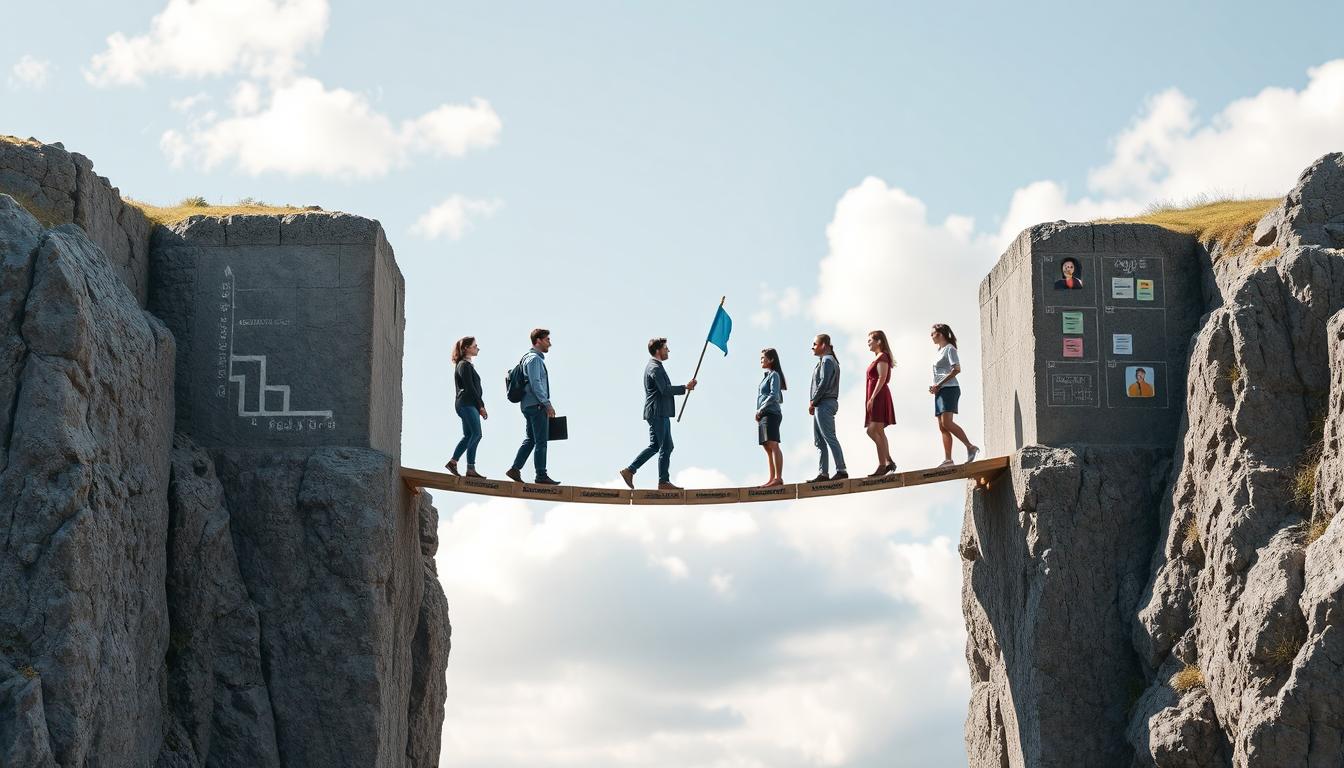
Living in a world that is fueled by rapid changes in technology and economy, flexibility and adaptivity have become the need of the hour. This truth extends even to the realm of software development, with traditional methods such as the Waterfall methodology being set aside to make way for more dynamic approaches – one such being Agile. Still, this transition isn’t like flicking a switch. It’s more akin to navigating uncharted territory as seen in this real-case scenario, where a team embarks on their first-time journey of embracing the Agile methodology.
Chapter 1: The Waterfall Landscape
To truly grasp the weight of this transformation, it’s vital to first understand what the team was transitioning from – The Waterfall model. This linear sequential software development model has each stage conclusively flowing into the next, mirroring the unequivocal fall of a waterfall. While it provides clear structure and documentation, there is no room for changes or improvements once a project phase is complete. This rigidity proved to be a pitfall for a team working in the fast-paced tech industry, leading them on a quest for a more adaptable methodology.
Chapter 2: Agile – The New Frontier
In comes Agile. Born out of frustration with the Waterfall approach, Agile represents a radical shift in project management and software development. It promotes a flexible developmental process, encouraging collaboration, customer satisfaction, and ability to adapt to changing requirements, even in the late stages of development. This approach seemed like the holy grail to the team, but as they soon discovered, transitioning to Agile was a whole different ball game and one they were yet to understand fully.
Chapter 3: The Pressure Points – Challenges in Adopting Agile
- Cultural Shift: The first challenge they came across was the need for a significant cultural shift. Agile was not merely a new process or a set of tools, it represented a whole new mindset of working which called for greater transparency, communication, and collaboration amongst team members.
- Educational Gaps: Though Agile is conceptually simple, the practical implementation was far from straightforward. Team members had to be educated on the specific nuances of Agile methodologies, including concepts like sprint, scrum, and backlog, among others.
- Resistance to Change: Not everyone jumped on the Agile bandwagon. There was noticeable resistance from some team members who had years of experience with the Waterfall model and were hesitant to adopt an entirely different approach.
Chapter 4: Breakthroughs and Victories
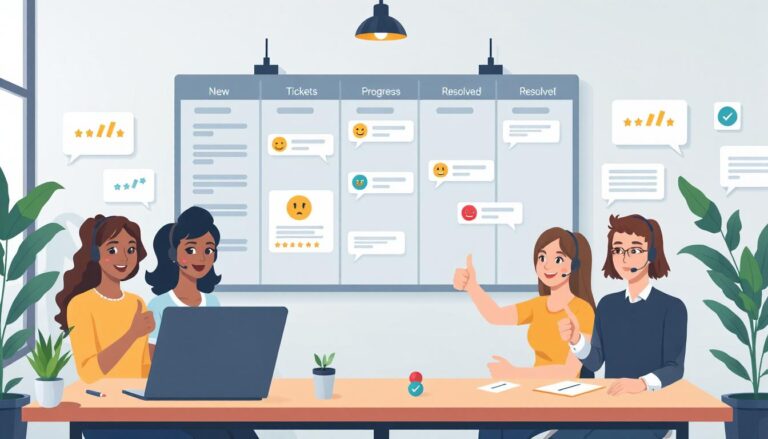
Despite the roadblocks, the team was determined to make Agile work, and their persistent efforts led to several breakthroughs. The previously reticent team members started adapting to the Agile mindset. Regular scrum sessions led to greater transparency and improved collaboration. Through Agile, the team was able to deliver work in increments, leading to faster feedback and course corrections. This not only enhanced the product quality but also led to increased customer satisfaction.
Chapter 5: Lessons from the Battlefield
The team’s transition from Waterfall to Agile was fraught with challenges, yet their eventual success led to some invaluable lessons:
- Patience is Key: Switching to Agile is not an overnight process. It’s critical to have patience and persevere in the face of initial setbacks.
- Change is a Two-way Street: Agile necessitates a shift in mindset, not just in processes, and it requires an organizational buy-in.
- Education and Training: A comprehensive understanding of Agile methodology is essential for the successful transition. Investing in training for the team members can pay off exponentially in the long run.
Conclusion: The Agile Endeavor
The journey from Waterfall to Agile is an endeavor that is both challenging and rewarding. It requires a change in entity, from being process-driven to becoming value-driven. It’s about creating an environment where failures are seen as opportunities to learn and improve. Though it was a tough road for the team in this case study, the lessons and victories gleaned throughout their journey have become stepping stones into a more dynamic and rewarding paradigm of work in the Agile way.