The Agile Toolkit: Must-Have Software and Practices
Introduction: Understanding the Importance of Your Agile Toolkit
There’s an old saying that states, “a workman is only as good as his tools.” This wisdom perfectly applies to Agile project management. The effectiveness of an Agile team largely depends on the robustness and efficiency of the chosen software and practices. The right tools enable streamlining of workflows, enhance collaboration, and lead to ultra-efficient development cycles. This article delves into the world of Agile project management, offering an exhaustive exploration of crucial software and practices like Jira, Trello, and the much-respected daily stand-up meetings.
Making Agile Work: Essential Tools for Success
Let’s compare Agile projects to cross-country treks. The trekker’s experience, the weather conditions, and the landscape you’re traversing inevitably shape the journey, but the experience can be incredibly different based on the toolkit at hand. So, what are the must-haves for your Agile toolbox?
Jira: The Powerhouse for Agile Teams
Imagine setting off on a journey without a map. Sounds challenging, right? Guiding an Agile team without the right project management software is quite similar. Jira stands tall as an acclaimed project tracking tool designed with Agile management in mind. The platform offers customizable workflows, advanced reporting capabilities, and more. It enables teams to create user stories, plan sprints, distribute tasks, and track project progress. With Jira, navigating through your Agile journey becomes more straightforward.
Trello: Streamlining Workflows with Agility
Agile is all about flexibility and embracing changes, and Trello embodies that spirit. Trello, a superb tool for managing Agile workflows, is essentially a digital, interactive whiteboard loaded with features. You can create cards to represent different work items, which are then moved across various lists representing different stages of the workflow. Moreover, Trello’s user-friendly interface, easy learning curve, and empowering board system make it a hot favorite among Agile practitioners.
Daily Stand-Ups: Fueling Collaboration in Agile Teams
Working in Agile is not just about using the right software; it’s about imbibing the right practices. Daily stand-up meetings form the beating heart of an Agile team. These short, time-boxed meetings typically take place at the start of the day and provide an opportunity for all team members to sync up. They offer a platform for every team member to share their aims for the day, obstacles they might be facing, and progress made. These meetings infuse an agency of responsibility, facilitate problem-solving, and foster a cooperative work environment.
Identifying the Right Tools: Choosing Your Agile Toolkit
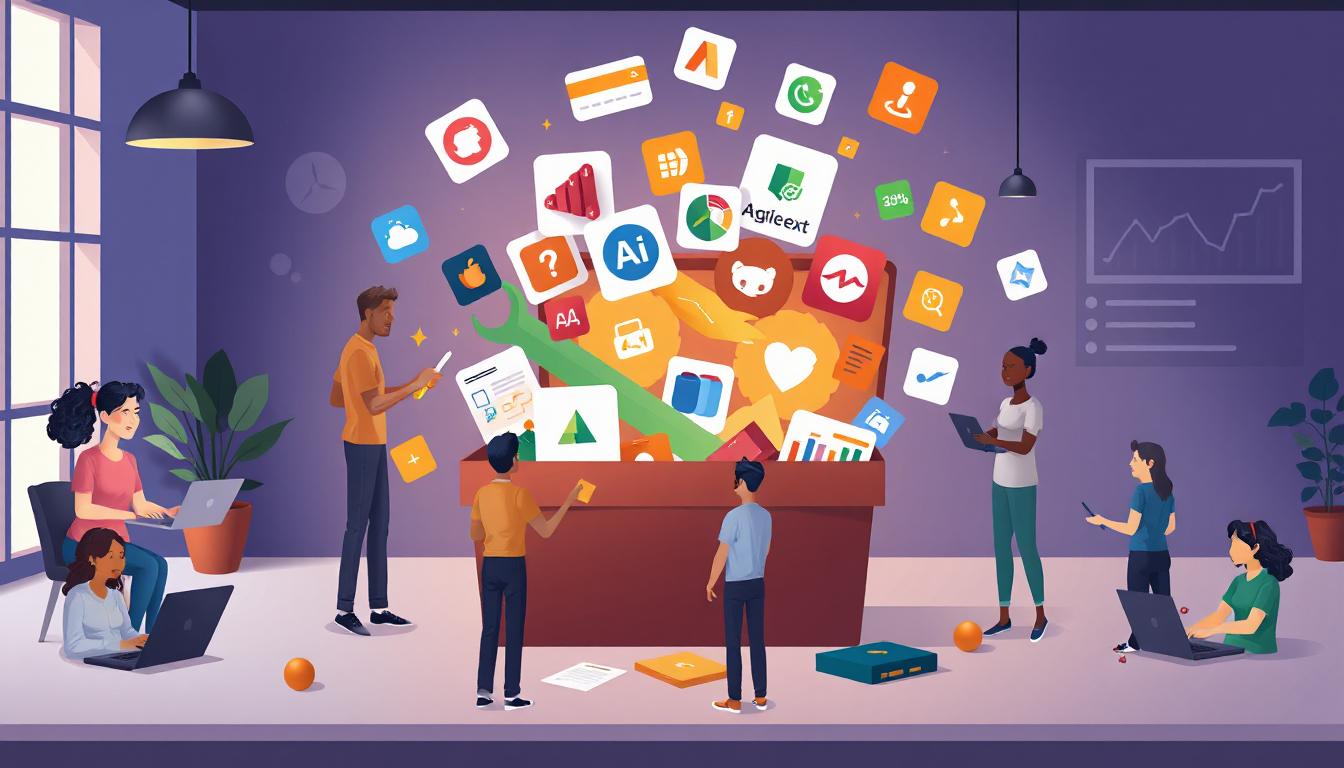
Equipping yourself with the right Agile tools might take some time and research. However, understanding your team’s needs, workflow, and collaboration style can help you build a customized toolkit that supercharges your Agile journey. Here’s a snapshot of other tools and practices you might consider:
- Microsoft SharePoint: For document management and team collaboration, Microsoft SharePoint stands as a competent option.
- Slack: Slack is a splendid tool, lauded for enhancing team communication and fostering a collaborative working environment.
- Kanban Boards: Consider incorporating physical or electronic Kanban boards to visualize workflows, spot bottlenecks, and expedite processes.
- Continuous Integration/Continuous Deployment (CI/CD) Tools: CI/CD practices, combined with tools like Jenkins, CircleCI, etc., can make your Agile journey more productive.
- Test-Driven Development (TDD): TDD is a powerful Agile development practice that advocates writing tests before writing code to ensure clear requirements and proactive debugging.
Maximizing Efficiency with Agile Practices
Agile is a lot more than just a methodology; it’s a mindset. And to effectively adopt this mindset, teams need to follow certain practices that enhance collaboration, improve transparency and optimize performance.
Some of these practices, apart from daily stand-ups, include:
- Retrospectives: Holding regular retrospectives helps teams identify what went well, what didn’t, and what could be improved in the next sprint.
- Sprint Planning: Detailed sprint planning aids in setting realistic goals and crystal clear understanding of expectations.
- Pair Programming: This practice enables continuous peer review, knowledge sharing, and can lead to higher quality code.
Adopting Agile: It’s More Than Just Tools and Practices
Remember, implementing Agile is not a plug-and-play game. Merely having the right software and following best practices is just the tip of the iceberg. True Agile transformation relies on nurturing an Agile culture – a culture of continuous learning, adapting, and improving.
Conclusion: Supercharging Your Agile Journey
Yes, the right Agile toolkit is crucial. It’s these software, practices, and the Agile mindset that build the foundation of successful Agile projects. It’s on this foundation that businesses can innovate, adapt, and deliver superior products at a fast pace. So, embark on your Agile journey, equipped with the right toolkit, and supercharge your Agile projects.